Floral Elements: A Versatile Tool for Branding and Design Projects
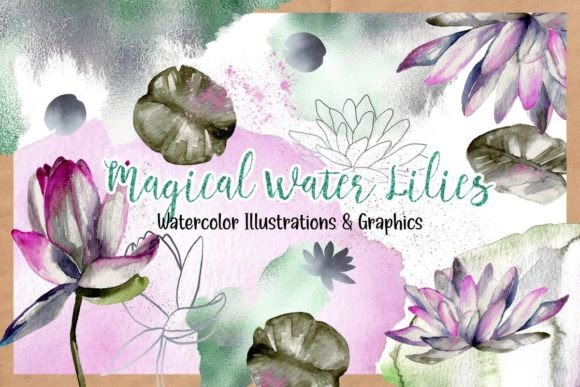
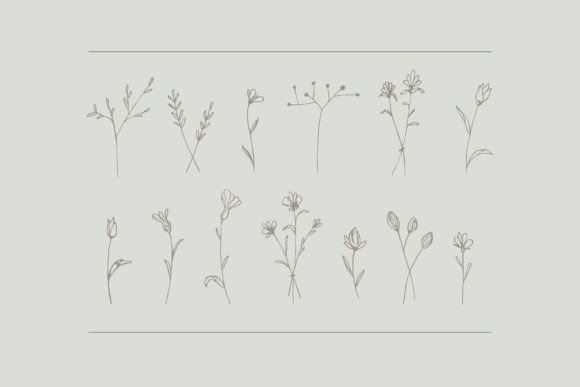
Floral elements are vectorized hand-drawn drawings of simple flowers and floral motifs. These designs offer a natural, handmade aesthetic that can be seamlessly integrated into various branding projects. Whether you're designing business cards, invitations, or packaging, floral elements provide an elegant touch that resonates with audiences seeking authenticity and creativity.
Understanding Floral Elements
Floral elements are more than just decorative graphics; they serve as functional design assets that enhance visual storytelling. Each element is crafted to maintain clarity and scalability, making them suitable for both print and digital use. The collection typically includes 13 unique floral elements, ensuring designers have a variety of options to choose from.
These elements come in multiple file formats, including AI, PDF, PSD, PNG, and SVG. This versatility allows users to work within their preferred design software, whether it's Adobe Illustrator, Photoshop, or any web-based platform that supports vector graphics.
Where Floral Elements Fit in the Design Process
Floral elements can be utilized at various stages of a design project. During the initial planning phase, they can help establish a brand's visual identity by setting a tone that feels organic and approachable. As the project progresses, these elements can be used to refine layouts, add texture, or create cohesive themes across different materials.
For instance, when designing a wedding invitation suite, incorporating floral elements early on can guide the color palette and typography choices. Later, during the finalization stage, these elements can be adjusted for consistency across all printed materials, ensuring a unified look and feel.
Integration with Other Tools and Resources
Floral elements interact well with other design tools and resources. They can be layered with photographs, text, and other vector illustrations to create rich, multidimensional designs. When working with graphic design software like Adobe Illustrator, the vector format ensures that the floral elements remain crisp and clear at any size.
Additionally, these elements can be combined with stock photos or textures to add depth and interest to a design. For example, using a floral border around a product photo can draw attention to the item while maintaining a natural aesthetic.
Practical Implementation Tips
To make the most of floral elements, consider the following tips:
- Plan Ahead: Before starting a project, determine how many floral elements you will need and which ones best align with your brand’s identity.
- Stay Consistent: Use the same style and color variations throughout your project to maintain a cohesive look.
- Test Compatibility: Ensure that the chosen file format works well with your design software and printing requirements.
- Organize Your Assets: Keep your floral elements organized in folders or design libraries for easy access and efficient workflow.
By implementing these strategies, you can streamline your design process and ensure that floral elements enhance rather than complicate your projects.
Use Cases and Workflow Examples
Floral elements are incredibly versatile and can be applied to a wide range of projects. Here are some practical examples of how they can be used:
Business Cards
Adding a subtle floral border or background to a business card can give it a personal touch without overwhelming the design. This approach is especially effective for professionals in creative fields such as floristry, interior design, or event planning.
Invitations
Wedding invitations, birthday cards, and other special event invites often benefit from floral elements. They can be used to frame the main text, decorate the edges, or even form part of the overall layout.
Packaging Design
Brands that want to convey a sense of nature and sustainability can incorporate floral elements into their packaging designs. These elements can be used to highlight product features or create a unique visual identity that stands out on store shelves.
Marketing Materials
Posters, flyers, and social media graphics can all benefit from the inclusion of floral elements. They can be used to break up large blocks of text, add visual interest, or reinforce a brand’s message.
Factors to Consider for Long-Term Use
When considering long-term use of floral elements, several factors should be taken into account:
- Quality Control: Always ensure that the floral elements you use are high resolution and free from distortion or pixelation.
- Usability: Choose elements that are easy to manipulate and customize within your design software.
- Efficiency: Opt for a collection that offers a good balance between variety and simplicity to avoid overcomplicating your designs.
- Consistency: Maintain consistent use of colors, styles, and placement to build a recognizable brand identity.
By keeping these considerations in mind, you can ensure that your floral elements remain a valuable asset in your design toolkit for years to come.
Conclusion
Floral elements offer a unique way to infuse natural beauty and creativity into branding and design projects. Their versatility, combined with the ability to work across multiple file formats, makes them an essential resource for designers looking to create visually appealing and meaningful content. Whether you're working on a small-scale project or a large-scale campaign, integrating floral elements can elevate your work and leave a lasting impression on your audience.