Grunge Texture Background: A Versatile Design Asset for Creative Professionals
The grunge texture background has become a staple in modern design, offering a unique blend of raw aesthetics and functional versatility. Whether you're working on branding materials, digital graphics, or print projects, this textured backdrop provides a compelling visual foundation that can elevate the overall look of your work. Unlike standard solid colors or simple patterns, grunge textures introduce depth, character, and an artistic edge that resonates across various creative fields.
Understanding the Grunge Texture Background
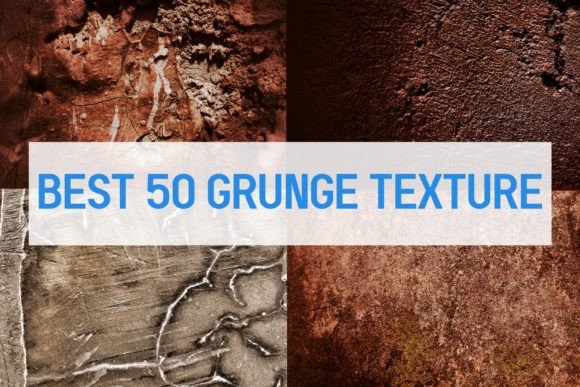
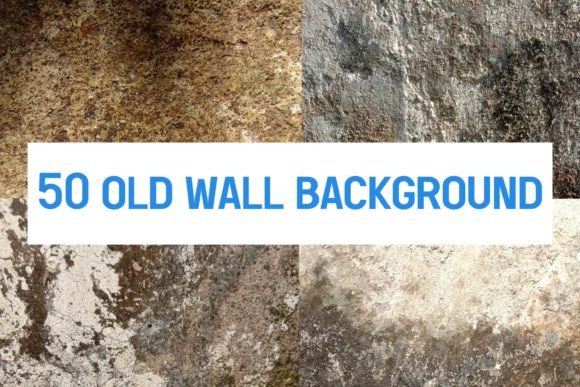
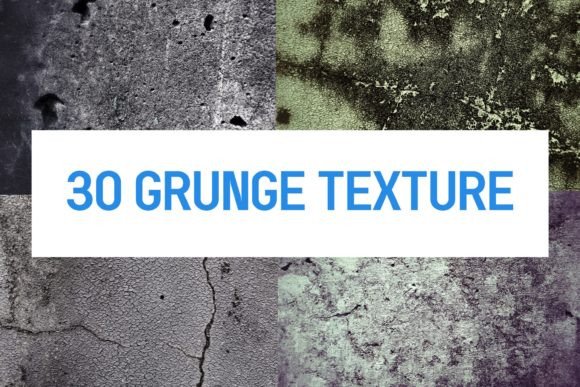
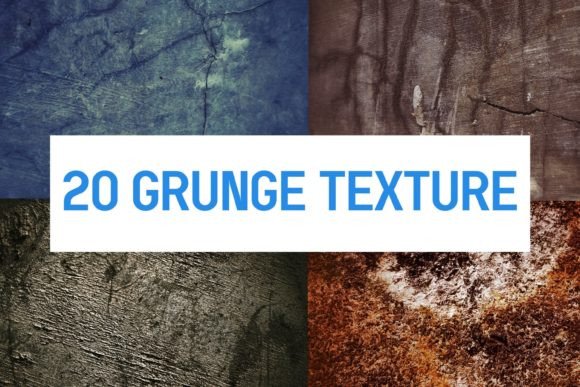
A grunge texture background typically features distressed elements such as cracks, stains, scratches, or faded paint. These imperfections are not flaws but intentional design choices that evoke a sense of history, authenticity, and tactile quality. Originating from the grunge music scene of the 1990s, this aesthetic has since evolved into a widely used element in graphic design, web development, and print media.
What makes a grunge texture background worth considering is its ability to add visual interest without overwhelming the content. It acts as a subtle yet effective base that complements rather than competes with text, logos, or images. This makes it especially useful for projects where a balance between creativity and readability is essential.
Key Characteristics and Practical Value
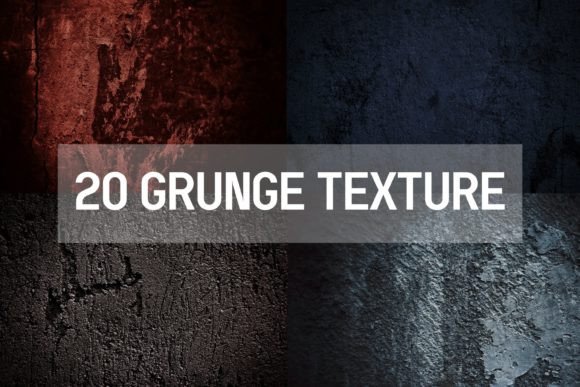
One of the defining traits of a grunge texture background is its high-resolution quality. The set described includes 20 JPG files at 300 dpi, ensuring sharpness and clarity even when printed at large sizes. This level of detail is crucial for professional use, whether you're designing business cards, wedding invitations, or promotional banners.
Another notable characteristic is the flexibility of these textures. They can be layered, adjusted for opacity, or combined with other design elements to achieve a wide range of effects. This adaptability allows designers to tailor the texture to fit specific project needs, from a subtle vintage feel to a more pronounced industrial look.
The consistency of the set also adds to its practical value. With 20 distinct textures available, creators have ample options to choose from, reducing the need to source additional assets from external platforms. This streamlines the design process and ensures a cohesive visual identity across multiple pieces.
Who Benefits Most from Using Grunge Texture Backgrounds?
Creative professionals across various industries will find value in using a grunge texture background. Entrepreneurs and small business owners can leverage these textures for branding materials, packaging designs, or website backgrounds that stand out from competitors. Marketers and advertisers may use them to create eye-catching ads or social media posts that capture attention with their unique visual appeal.
For freelancers, bloggers, and publishers, grunge textures offer a way to add personality to digital content, from blog headers to e-book covers. Educators and event planners might incorporate these backgrounds into presentations, invitations, or classroom materials to enhance visual storytelling.
Wedding planners and stationery designers, in particular, can benefit from the romantic and nostalgic vibe that grunge textures often convey. When paired with elegant typography or floral elements, they can create a striking contrast that draws the eye and leaves a lasting impression.
Real-World Performance and Usability
In real-world applications, the performance of a grunge texture background depends largely on how it's implemented. For digital use, such as websites or social media graphics, the texture should be optimized for fast loading times while maintaining visual fidelity. This means choosing the right file format, compressing where necessary, and avoiding overly complex layers that could slow down page rendering.
When used in print, the high-resolution nature of these textures ensures that they remain crisp and clear, even at larger sizes. However, it's important to consider the paper type and printing method, as some textures may appear differently under certain conditions. Testing a sample before mass production is always advisable.
Usability is another key factor. While the textures are highly customizable, they require a basic understanding of design software like Adobe Photoshop or Illustrator. Users who are unfamiliar with layer blending modes or transparency settings may need to invest time in learning how to manipulate the textures effectively.
Limitations and Considerations
Despite its many advantages, a grunge texture background may not be suitable for every project. In situations where minimalism or clarity is paramount—such as technical documentation or medical illustrations—the added complexity of a grunge texture could detract from the message being conveyed.
Additionally, overuse of grunge textures can lead to a cluttered or unprofessional appearance. It's important to strike a balance between visual interest and readability. When applied to text-heavy content, the texture should be light enough to allow the text to remain legible.
Finally, while the set offers a wide variety of textures, it's still limited to the 20 provided. For more specialized or niche applications, designers may need to seek out additional resources or create custom textures to meet specific needs.
Final Thoughts and Recommendations
The grunge texture background is a powerful tool for creative professionals looking to add depth, character, and visual interest to their projects. Its high-quality resolution, flexibility, and wide range of applications make it a valuable asset for anyone involved in design, marketing, or publishing.
If you're working on a project that calls for a unique, textured look, consider incorporating one of these backgrounds into your workflow. Experiment with different combinations, adjust opacity levels, and test how they interact with other design elements. By doing so, you can unlock new creative possibilities and produce work that stands out in today’s visually saturated marketplace.