Gradient Art: A Versatile Tool for Creative Projects
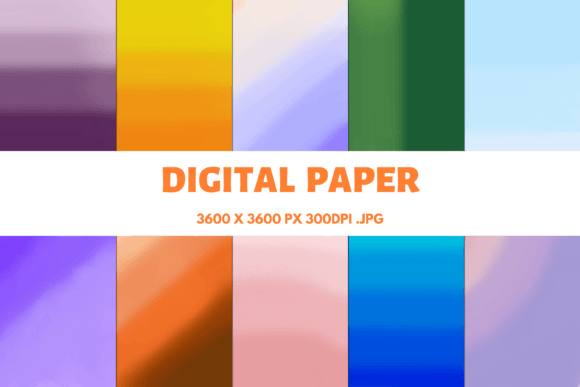
Gradient Art refers to the use of smooth transitions between colors to create visually appealing and abstract designs. This technique has gained popularity across various creative fields, from digital design to print media. Whether you're looking for an abstract gradient background or a unique texture for your next project, Gradient Art offers a wide range of possibilities.
What Is Gradient Art?
Gradient Art is a design style that uses color gradients—gradual shifts from one hue to another—to create depth, movement, and visual interest. These gradients can be linear, radial, or even more complex patterns depending on the designer's intent. Unlike traditional solid-color backgrounds, Gradient Art adds dimension and can evoke specific moods or themes.
This type of art is often used in graphic design, web development, and fine arts. It allows for a seamless blend of colors that can make any surface look more dynamic and engaging. The versatility of Gradient Art makes it suitable for both minimalist and intricate designs.
Why Consider Gradient Art?
There are several reasons why someone might be interested in using Gradient Art. First, it provides a modern and stylish aesthetic that can enhance the visual appeal of any project. Whether you're designing a website, creating a logo, or preparing a presentation, Gradient Art can add a professional touch.
Another reason is its adaptability. Gradient Art can be customized to match specific color schemes or brand identities. This makes it an excellent choice for businesses looking to maintain consistency in their visual branding across different platforms.
Additionally, Gradient Art is highly versatile in terms of application. It can be used as a background for digital content, printed materials, or even as part of larger artistic compositions. Its ability to work well with both simple and complex designs makes it a valuable asset in many creative workflows.
Benefits and Tradeoffs
The primary benefit of Gradient Art is its ability to create visually striking designs without overwhelming the viewer. The smooth transition between colors ensures that the focus remains on the main elements of the design rather than the background itself.
However, there are some tradeoffs to consider. One potential downside is that Gradient Art may not be suitable for all types of projects. For instance, if a design requires high contrast or clear delineation between elements, a solid color or patterned background might be more appropriate.
Another consideration is the complexity involved in creating high-quality Gradient Art. While basic gradients can be generated using standard design tools, achieving a professional look often requires advanced techniques and careful planning. This may involve experimenting with different color combinations and layering effects to achieve the desired outcome.
Situations Where Gradient Art Excels
Gradient Art is particularly effective in situations where a soft, elegant look is desired. It works well as a background for websites, social media posts, and digital banners. The subtle shift in color can help draw attention to the main content while maintaining an aesthetically pleasing composition.
In print media, Gradient Art can be used for wall art, invitation cards, and business cards. The high-resolution format (such as 4936x3319px at 300 dpi) ensures that the design remains crisp and clear when printed on paper. This makes it ideal for those who want to create tangible, physical pieces of art or promotional materials.
For artists and designers working on abstract compositions, Gradient Art can serve as a base layer that enhances the overall visual impact. It can be combined with other textures, shapes, and patterns to create unique and compelling artworks.
When to Consider Alternatives
While Gradient Art is a powerful tool, it may not always be the best choice for every project. In cases where clarity and legibility are crucial, such as in data visualization or instructional materials, a simpler background may be more effective. Solid colors or subtle patterns can provide better contrast and readability in these scenarios.
Additionally, if a project requires a more textured or detailed background, alternatives like photographic textures, geometric patterns, or hand-drawn illustrations may be worth considering. These options can offer a different kind of visual interest that complements the content in a unique way.
Practical Decision-Making Insights
When deciding whether to use Gradient Art, it's important to consider the overall purpose of the project. Ask yourself: Does the design need to convey a specific mood or theme? Will the gradient enhance or detract from the message being communicated?
It's also helpful to think about the audience. If the target audience prefers minimalistic designs, a simple gradient may be more appropriate. On the other hand, if the audience enjoys bold and vibrant visuals, a more complex gradient could be a good fit.
Testing different variations of Gradient Art can also be beneficial. Experimenting with color combinations, transparency levels, and placement can help determine which approach works best for a particular project. This iterative process ensures that the final design meets both aesthetic and functional goals.
Ultimately, Gradient Art is a versatile and valuable resource for anyone involved in creative projects. By understanding its strengths and limitations, designers can make informed decisions that align with their objectives and produce visually compelling results.