Gradient Texture: A Versatile Design Element for Modern Creative Projects
Gradient texture has emerged as a powerful and flexible design element that bridges the gap between minimalism and artistic expression. Unlike traditional solid colors or simple gradients, gradient textures add depth, dimension, and visual interest to any project. This unique blend of color transitions and subtle patterns makes it an excellent choice for those looking to elevate their designs without overwhelming the viewer. Whether you're designing a website, creating wall art, or working on a print project, gradient texture offers a balance of sophistication and creativity.
Understanding Gradient Texture
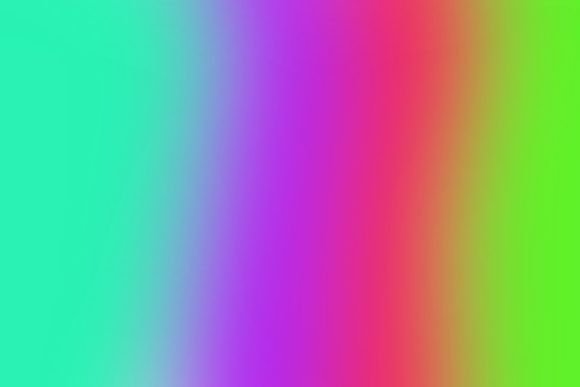
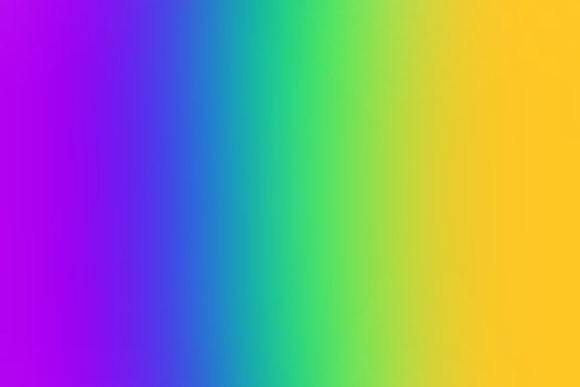
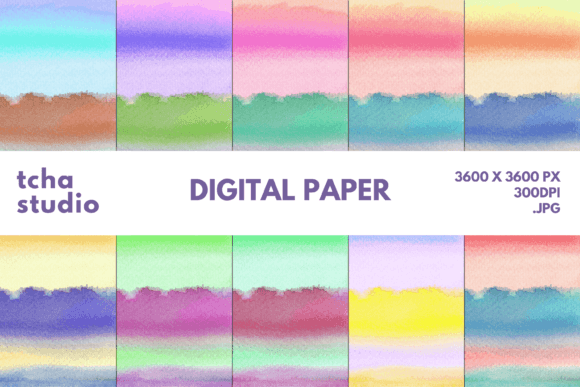
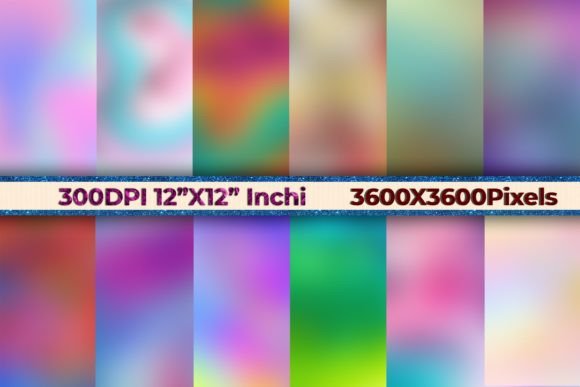
A gradient texture is essentially a pattern created by blending two or more colors in a smooth transition. What sets it apart from standard gradients is its textured appearance, which can be achieved through various techniques such as layering, noise effects, or digital brush strokes. These textures can range from subtle grainy surfaces to bold, abstract forms, allowing for a wide range of aesthetic possibilities.
The key characteristic of gradient texture is its ability to provide visual depth while maintaining a cohesive look. It avoids the flatness of solid colors and the complexity of intricate patterns, making it a versatile option for many design applications. Its versatility comes from the fact that it can be adjusted in terms of intensity, direction, and color harmony to suit different contexts.
Comparing Gradient Texture with Similar Options
When considering design elements, gradient texture stands out among several alternatives, each with its own strengths and limitations. For instance, solid colors are straightforward but can appear monotonous when used alone. On the other hand, complex patterns may offer more visual stimulation but can be distracting or difficult to integrate into a cohesive design.
Compared to geometric shapes or vector-based illustrations, gradient textures offer a more organic feel. They are less rigid and more adaptable to different backgrounds and compositions. However, they may not be as scalable or editable as vector graphics, which can be a consideration for certain projects.
Another alternative is using photographs or scanned textures, which can provide a high level of realism and detail. However, these often require additional editing to achieve the desired effect and may not be as customizable as gradient textures. In contrast, gradient textures allow for precise control over color blends and surface qualities, making them ideal for both digital and print applications.
Strengths and Tradeoffs of Gradient Texture
One of the main advantages of gradient texture is its adaptability. It can be applied to a variety of surfaces and mediums, including digital screens, paper prints, fabric, and even 3D models. This makes it suitable for a wide range of use cases, from web design to interior decoration.
Additionally, gradient textures are relatively easy to generate and modify using graphic design software or online tools. This accessibility allows designers to experiment with different combinations and find the perfect match for their project without requiring advanced technical skills.
However, there are some tradeoffs to consider. While gradient textures can enhance visual appeal, they may also draw attention away from the primary content if not used judiciously. Overuse or improper placement can lead to a cluttered or confusing composition. Therefore, it's important to balance the use of gradient textures with other design elements to maintain clarity and focus.
Another limitation is that gradient textures may not be as effective in low-resolution environments. Since they rely on subtle variations in color and tone, they can lose their impact when viewed at smaller sizes or on lower-quality displays. This is particularly relevant for mobile applications or small-format prints where details may not be as visible.
Best-Fit Situations for Gradient Texture
Gradient texture is particularly well-suited for projects that benefit from a modern, elegant aesthetic. It works exceptionally well in branding, where it can help create a cohesive visual identity across different platforms. For example, a business card with a gradient texture background can make a strong first impression while still being professional and clean.
In the realm of digital design, gradient textures are often used in website backgrounds, app interfaces, and social media banners. They provide a visually engaging backdrop without overpowering the content, making them an excellent choice for minimalist or modern design styles.
For print projects, such as posters, invitations, or packaging, gradient textures can add a tactile quality to the design. When printed on high-quality paper, the subtle variations in color and texture become more pronounced, enhancing the overall visual experience.
Artists and crafters also find gradient textures useful for creating unique pieces that stand out from conventional designs. Whether used as a base for paintings, a background for collages, or an element in mixed-media artwork, gradient textures offer endless creative possibilities.
When to Consider Alternative Options
While gradient texture is a valuable tool, it may not always be the best choice depending on the specific requirements of a project. If the goal is to emphasize readability or simplicity, a solid color or a simple line drawing might be more appropriate. In such cases, the added complexity of a gradient texture could detract from the intended message or function.
Similarly, for highly detailed or realistic images, a photographic texture or a more intricate pattern may be necessary. These options can provide the level of detail and authenticity that gradient textures cannot achieve. It's essential to evaluate the purpose of the design and choose the most suitable element based on that context.
Another scenario where alternative options may be preferable is when working with limited color palettes or specific brand guidelines. In these situations, it's crucial to ensure that the chosen texture complements the existing color scheme rather than clashing with it. This requires careful planning and testing to achieve the desired outcome.
Practical Applications and Use Cases
The versatility of gradient texture makes it applicable to numerous fields and industries. In web design, it can be used as a background for landing pages, hero sections, or navigation menus. Its ability to create a sense of movement and depth can enhance user engagement and improve the overall browsing experience.
In print media, gradient textures are commonly used in book covers, magazine spreads, and promotional materials. They add visual interest without overshadowing the content, making them an ideal choice for editorial or commercial publications.
For interior design, gradient textures can be incorporated into wallpaper, fabric patterns, or decorative elements. They offer a way to introduce subtle variation and richness to a space without being too overwhelming. This makes them particularly popular in modern and contemporary home decor.
In the world of fashion and textiles, gradient textures are used to create unique fabrics and patterns. They can be woven into clothing, accessories, or upholstery to add a touch of elegance and sophistication. The ability to customize the color and intensity of the gradient allows for a wide range of stylistic choices.
Lastly, in the field of photography and image editing, gradient textures can be used to enhance photos, create overlays, or add a special effect to digital images. They provide a way to transform ordinary shots into something more artistic and visually compelling.
Conclusion
Gradient texture is a dynamic and multifaceted design element that offers a unique combination of aesthetics and functionality. Its ability to add depth, dimension, and visual interest makes it a valuable asset in various creative fields. Whether you're designing for the web, print, or art, gradient texture provides a flexible solution that can be tailored to meet your specific needs.
However, like any design element, it's important to use gradient texture thoughtfully and strategically. Understanding its strengths, limitations, and best-fit situations will help you make informed decisions and create designs that resonate with your audience. By exploring different options and experimenting with various techniques, you can unlock new possibilities and elevate your creative projects to the next level.